道路はすでに、どこが危険かを告げている。その声に、我々は気づいているだろうか。
道路はすでに、どこが危険かを告げています。実世界の事故データは、自動運転システムのテストのあり方を変え、救える命の数にも大きな違いをもたらす可能性があります。
1975 年以降、米国の公道で発生したすべての死亡事故は記録に残されています。事故発生時の条件、道路の種類、速度、誰が関与していたのか、そして衝突直前の数秒間に何が起きていたのか。米国運輸省道路交通安全局 (NHTSA: National Highway Traffic Safety Administration) の死亡事故分析報告システム (FARS: Fatality Analysis Reporting System) は、50 年にわたって、こうしたデータを静かに蓄積してきました。100 万件を超える事故が収められ、そのデータは誰でも利用できます。それにもかかわらず、自動運転システム業界では、その多くが未活用のままです。
これは、解決すべき問題です。
合成シミュレーションは、エンジニアがエッジケースを探索し、テスト用データセットを構築するための強力なツールです。ただし、合成データセットには、それを設計したエンジニアの想定が反映されます。だからこそ、我々はそこからさらに一歩進めることができます。
事故データベースは現実を映し出し、米国における走行条件の多様性を幅広く捉えています。深夜の地方部の対面 2 車線道路、学校の下校時間帯の幹線道路の交差点、雨や霧の中の高速道路オンランプ。こうした分布を再現できる合成データセットはありません。
各記録に含まれる変数は、自動運転システム開発に直結します。道路形状、速度、照明、天候、路面状態、衝突形態、歩行者、自転車利用者、動物の有無といった要素です。すべての記録は文書化された故障モードであり、まさにこうした故障モードを扱うことこそ、シミュレーションの役割です。
要件に基づくシナリオと、実世界で発生した事象から導き出したシナリオを組み合わせることは、大きな強みとなります。
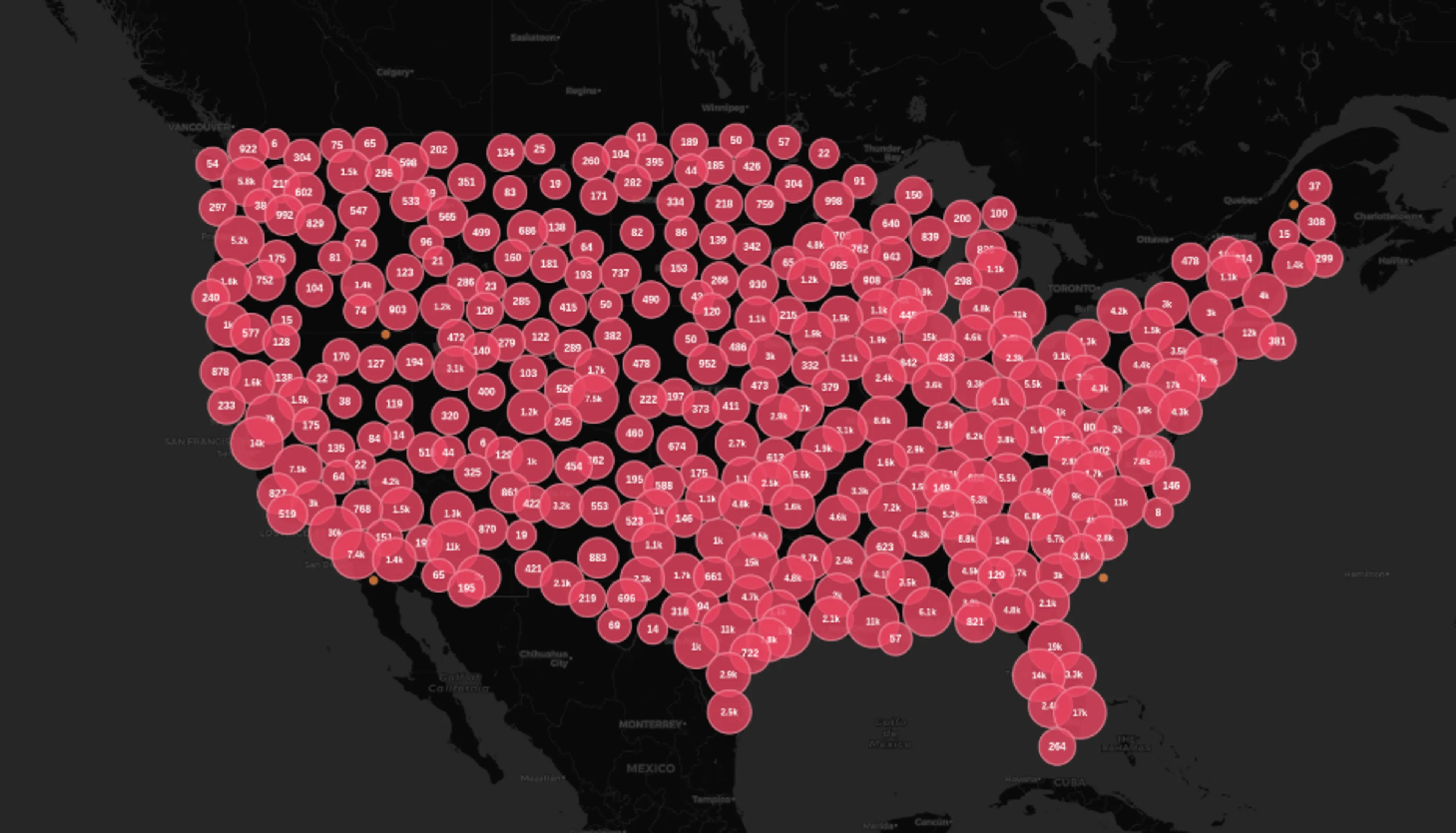
2016〜2023 年の死亡事故分布 (出典: NHTSA-FARS データセット)
このデータからは、自動運転システムのテスト方法に直接反映すべきパターンが浮かび上がります。
死亡を伴う複数車両事故において、追突事故は約 6 件に 1 件の割合で発生しており、比較的多く見られる事故類型です。一方で、最も防ぎやすい事故類型の一つでもあり、車間距離、減速予測、割り込み検出は、いずれも技術的にはよく知られた課題です。しかしデータは、それらがまだ解決されていないことを示しています。
単独車両の死亡事故では、路外逸脱が大きな割合を占めています。横方向制御の喪失、障害物を回避するための操作、道路端からの逸脱は、高速域の地方部道路における死亡事故の大きな要因です。
側面衝突事故 (T ボーン事故) は、交差する進路で発生する典型的な事故です。交差交通の検知と交差点での挙動は、都市部における自動運転で今なお最も難しい課題の一つであり、そのことは死亡事故の記録にも表れています。
我々には、データとテクノロジーの両方が揃っています。この 2 つを組み合わせれば、より効果的なテスト戦略を構築し、命を救うフィジカル AI システムの開発につなげることが可能です。事故データベースのような情報源は、そうした取り組みをどこに集中すべきかを示す指針となります。
すべての交通弱者 (VRU) は同じなのでしょうか。答えは「いいえ」。データを見れば、その違いを正確に捉えることができます。
歩行者や自転車利用者の死亡事故は、無作為に分布しているわけではありません。年齢、時間帯、照明条件など、特定の条件に集中しており、こうした条件は、ADAS および自動運転システムのテストにおける有効性とカバレッジの向上に活用できます。
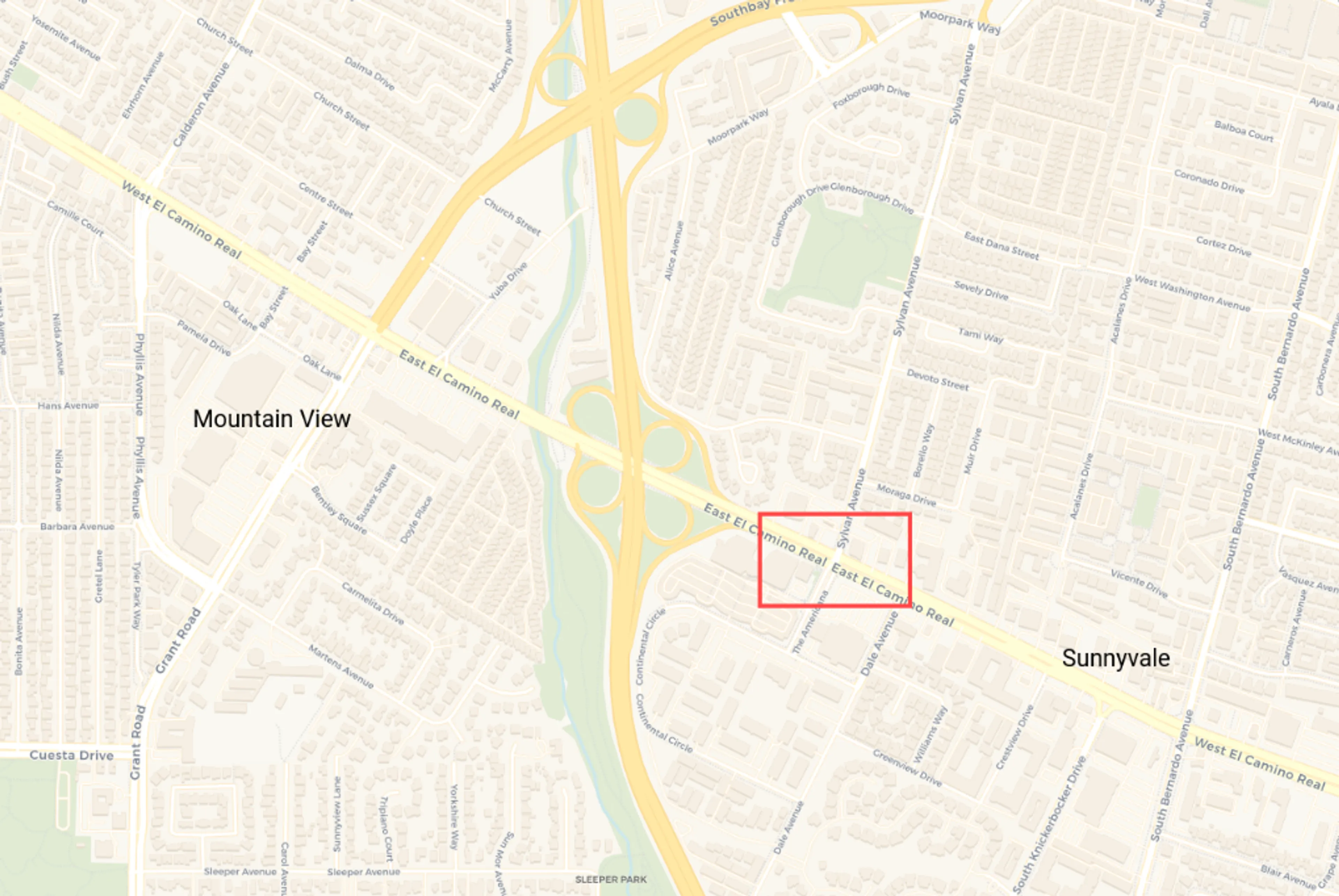
幹線道路横断: 典型的な幹線道路の横断地点 (E. El Camino Real と Sylvan Ave、カリフォルニア州マウンテンビュー)
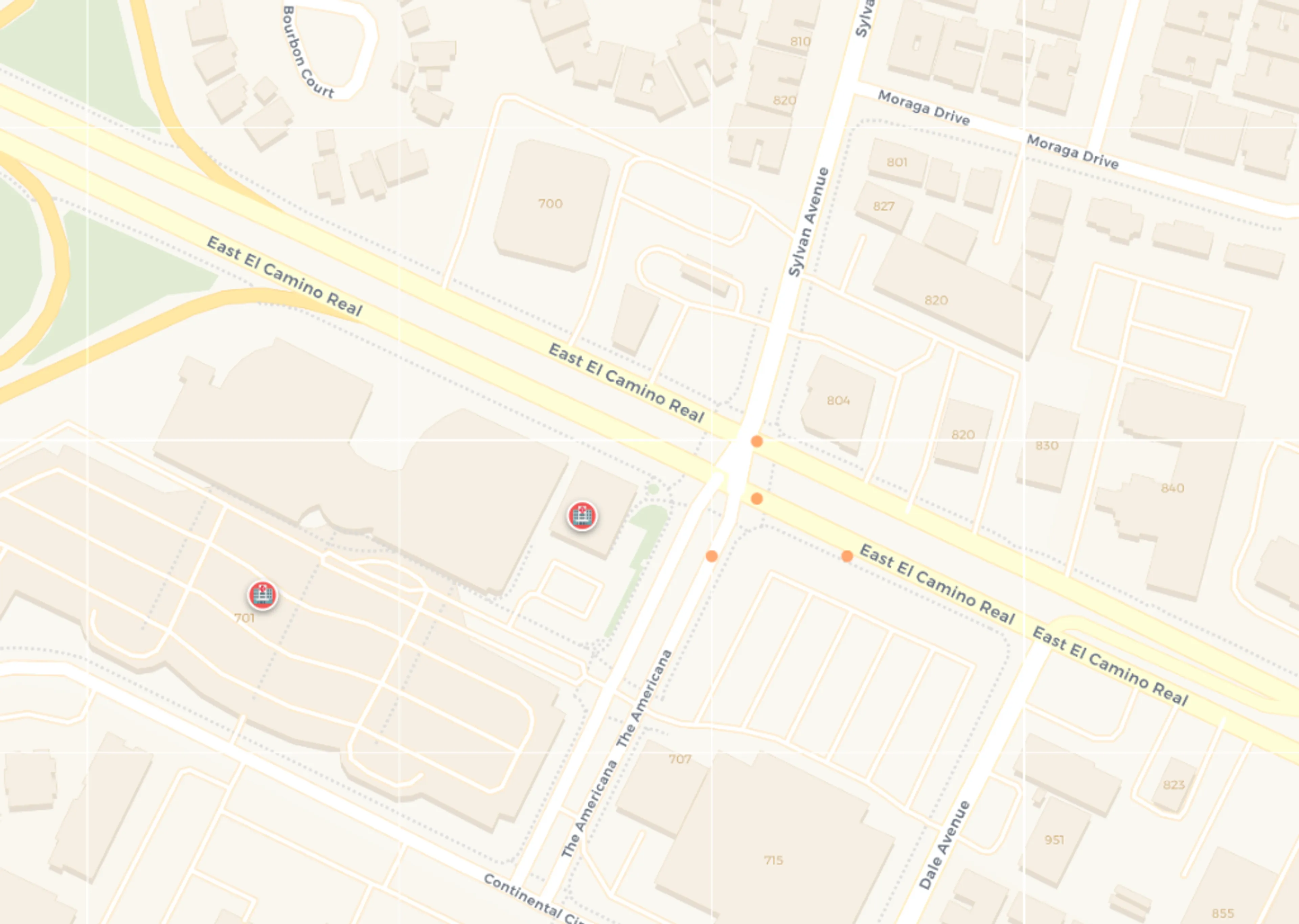
高齢歩行者の事故が集中する幹線道路横断地点
高齢歩行者 (65 歳以上) は、日中かつ中程度の車速で発生する道路横断時の事故において、特に高い割合を占めています。これは、センサーの検知範囲の限界で起きる認識の問題ではありません。十分に明るい日常的な条件下で、譲るべきかの判断と意図予測が問われる問題です。
子どもは、夕方遅い時間帯の住宅地で発生する事故において、高い割合を占めています。背が低く視認しづらいこと、動きが予測しにくいこと、周囲に視覚情報が多いことから、低速域であっても検出の難易度が高いシナリオとなります。
自転車利用者は、車両に後方から追い越される場面で最も高いリスクにさらされます。これは自転車利用者の死亡事故類型として最も多く、側面衝突や横断時の衝突がそれに続きます。こうした事故は日中と夜間のどちらでも発生し、主に比較的高速の幹線道路に集中しています。いずれの構図も検出可能であり、見逃された場合には死亡事故につながることが示されています。
各事故記録には、シミュレーション シナリオの構築に必要な情報が十分に含まれています。自車両速度、道路種別、照明、天候、交通参加者の構成などです。事故記録をテストケースへと変換することは、パラメトリック再構成のプロセスであり、AI と自動化を活用することで、これを大規模に実行できます。
図: 生成的再構成: 実際の事故記録から、パラメータ化されたテスト シナリオへ
実世界で起きた悲劇のメタデータを活用することで、テストの考え方は、「仮説上のシナリオに対応できるか」という問いだけでなく、「記録された現実に対応できるか」という問いも含むものへと変わります。もはや問われるのは、システムが切り離された環境で機能するかどうかではありません。再構成された事故の当事者であるドライバーとは異なる結果を出せたのか、ということです。
そして、それぞれの事象は、何千ものバリエーションを生み出すテンプレートになります。「速度が違っていたらどうか」、「歩行者の移動速度がもっと遅かったらどうか」といった問いに答えるためのものです。
Applied Intuition では、このアプローチをすでに形にしています。我々は事故データベースを、単なる過去の記録ではなく、未来に向けた設計図として捉えており、こうした実世界の故障モードを取り込むことで、当社のプラットフォームは、エンジニアが推測に基づく合成シナリオの先へ進めるよう支援します。
目標は、実世界の事故データを活用して、リスクがどこに集中しているのか、また既存のテスト ライブラリでどの故障モードが十分に扱われていないのかを特定することです。そうすることで、シミュレーション プログラムは公道上の実際のリスク分布を反映しつつ、まれな「ロングテール」シナリオをパラメトリック シミュレーションによって拡張できるようになります。
米国で走行する自動運転システムは、夕方遅い時間帯に住宅街の道路を横断する子どもに出会うことになります。街灯のない幹線道路では、自転車利用者に遭遇します。暗い高速道路上では、停止車両に直面するでしょう。事故データベースは、こうした事態を予測しているだけではありません。正確に記述できる条件下で、すでに何千回も起きてきたことを記録しているのです。
道路はすでに、答えを示しています。そこにあるパターンは明確で、データも揃っています。過去の死亡事故が示す現実を踏まえないまま自動運転の未来を築こうとすることは、救えるはずの命を救う機会を逃すことでもあります。何が危険なのかを推測し続ける段階は、もう終わりにすべきです。今こそ、道路がこの 50 年間、我々に伝え続けてきたことに耳を傾ける時です。
Applied Intuition の使命は、業界が安全でインテリジェントなマシンを導入できるよう支援することです。我々は、自社の自動運転プログラムとすべてのお客様を支援するために、このアプローチを構築しました。その根底にあるのは、道路の安全性を高め、すべての人にとってより良い未来を築くという、我々に共通する目標です。