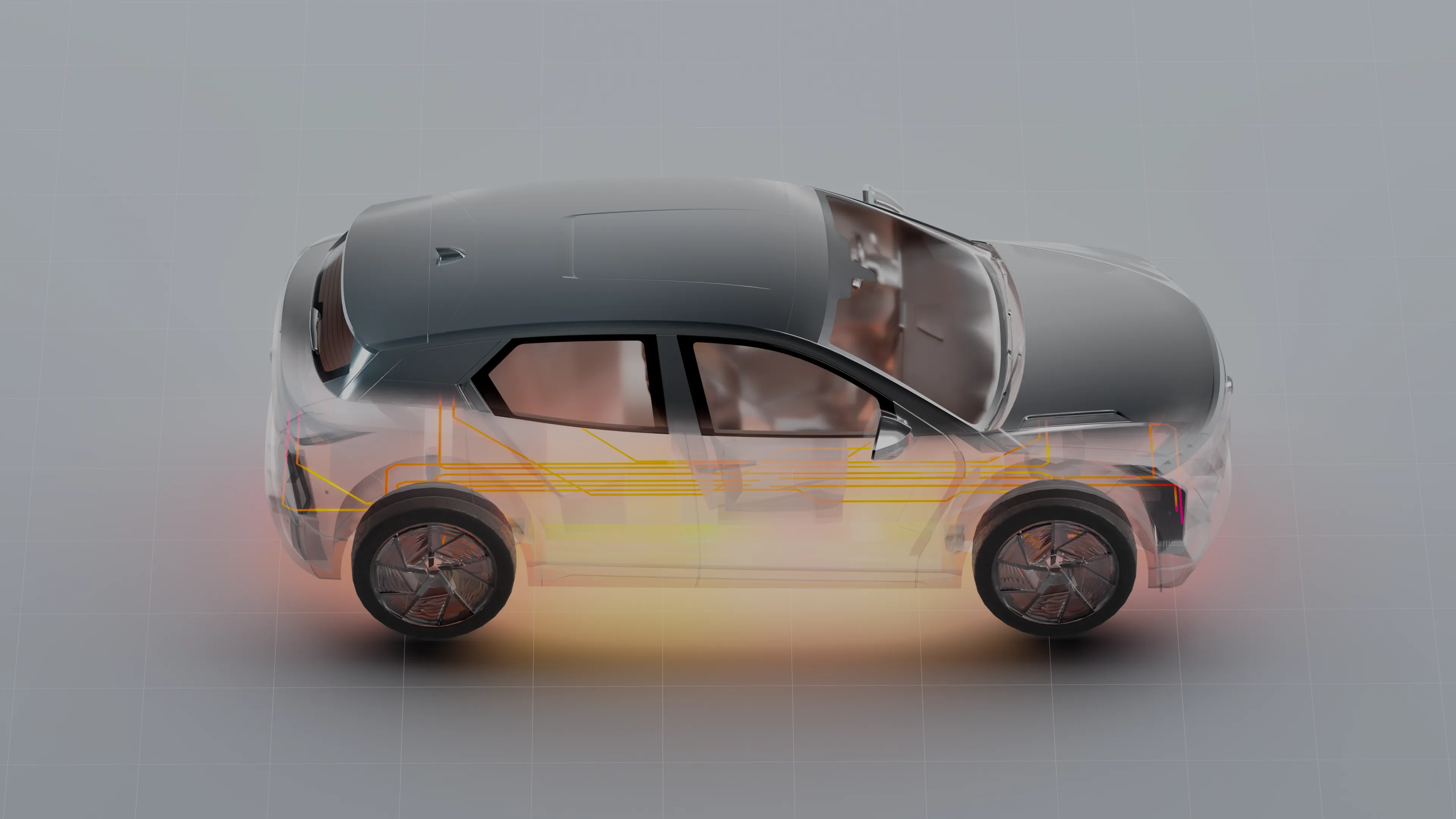
Nissan Showcases What AI-Defined Vehicle Development Looks Like
At AWS Summit Japan, Nissan demonstrated how AI-powered development workflows built with Applied Intuition can compress software deployments from months to minutes.
As vehicles become increasingly software-defined, the ability to develop, test, validate, and deploy software quickly is becoming just as important as the applications themselves.
Today’s vehicles contain millions of lines of code, and the pace of innovation is only accelerating. Automakers need new ways to build.
At AWS Summit Japan, Applied Intuition collaborated with Nissan to demonstrate what that future could look like.
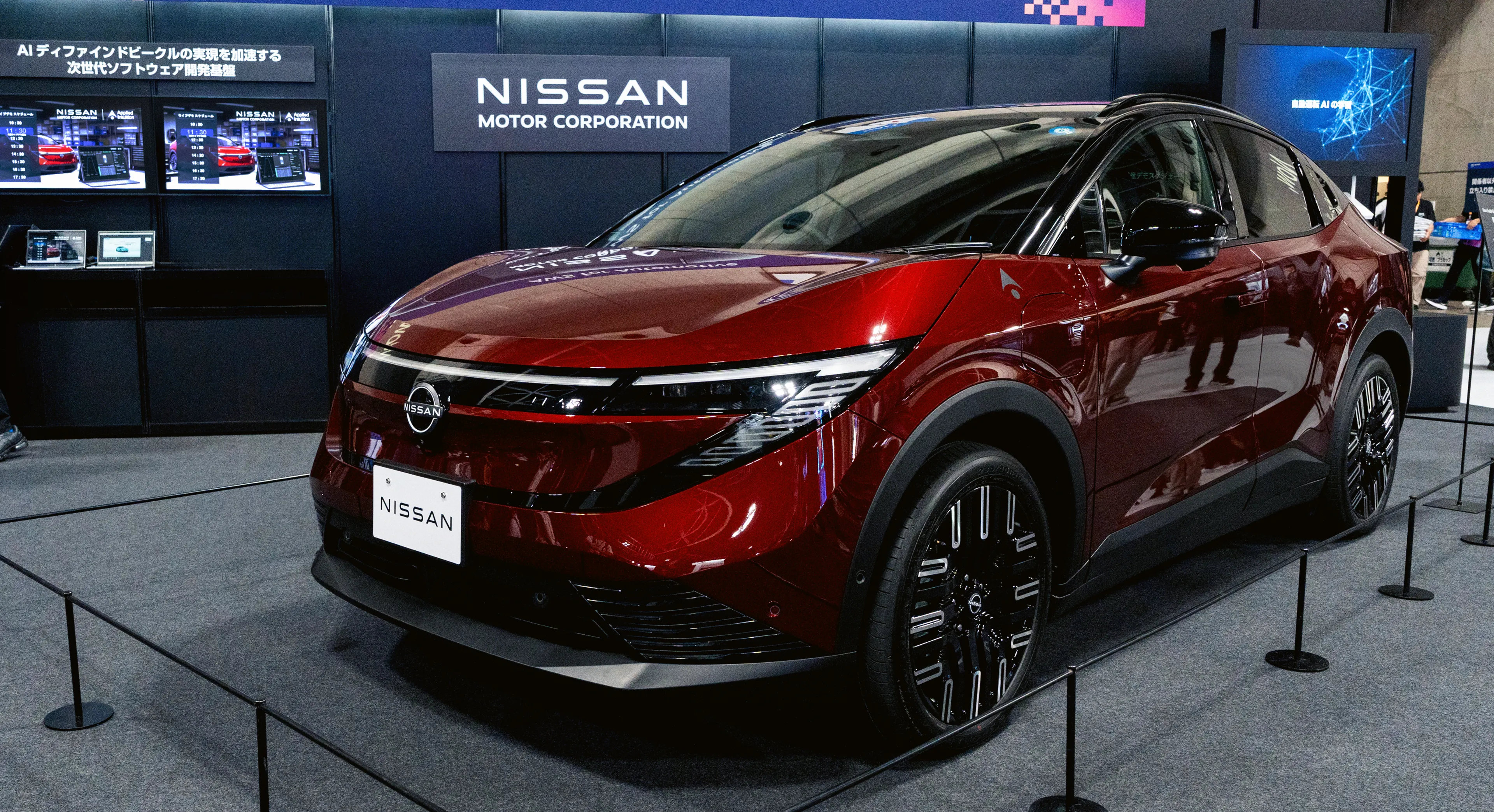
As part of Nissan’s vision for AI-defined vehicles, the company showcased an AI-native development environment that brings the full software lifecycle—from requirements and implementation to testing and over-the-air deployment—into a single, unified workflow.
“Every automaker is investing in AI and software-defined vehicles, but many are still running on development processes built for a different era,” says Will Lin, head of automotive at Applied Intuition. “Applied Intuition has spent years building the tooling and infrastructure and adopting the latest AI capabilities that let our OEM partners develop software faster. Getting that right unlocks everything else.”
Traditional automotive software development was not built for today’s pace. Even simple feature updates can require navigating siloed requirements, reconfiguring ECU interfaces, and coordinating validation cycles across multiple systems. Cross-domain development and testing can stretch for months, and bugs may not surface until long after a change was made, when fixes are far more costly and difficult to implement. For OEMs pursuing software-defined vehicles and AI-powered features, these challenges compound quickly.
At AWS Summit Japan, presenters, using a demonstration vehicle based on Nissan Leaf architecture, showed how a software change that would traditionally take weeks or months of development and validation could instead be implemented in real time. Audience members selected a modification to a vehicle welcome sequence involving blinking lights; engineers then used Applied Intuition’s tooling to update the software, validate the change, and deploy it over-the-air. Moments later, Nissan showed the updated behavior live on stage.
The demonstration wasn’t really about flashing lights or modifying a welcome sequence. It was about development velocity and what’s possible when a modern, integrated toolchain replaces traditional fragmented, manual workflows.
That shift is particularly important as automakers pursue increasingly complex features. Achieving those features requires more than adding AI to the vehicle—it requires rethinking how vehicle software is built.
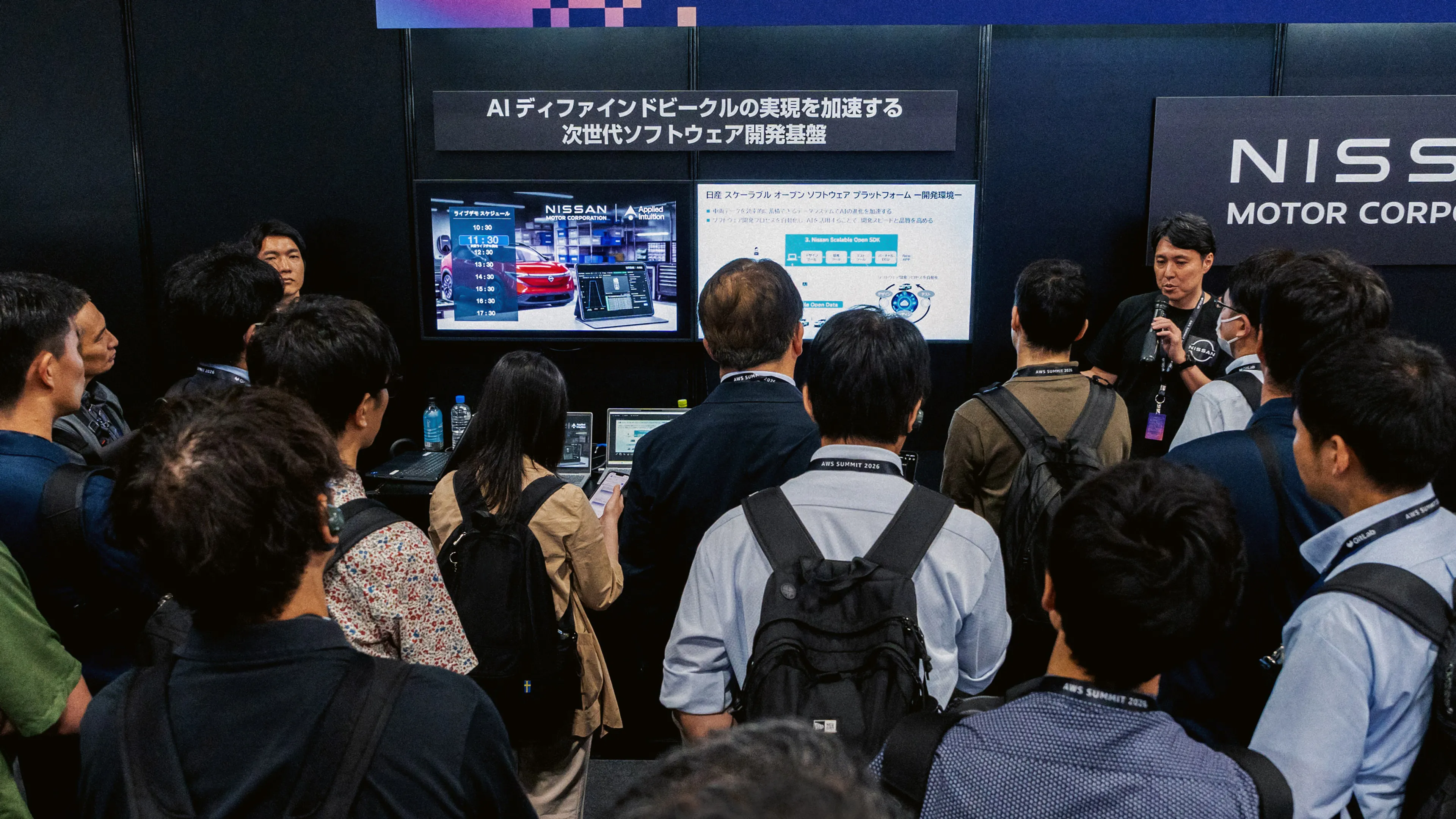
Applied Intuition’s Vehicle OS was built for exactly that purpose. By connecting requirements, code, simulation, validation, debugging, and deployment into a single AI-powered workflow—with end-to-end traceability built in—every change is now accountable from requirement to production. What once took months can now be measured in hours, even minutes.
Two themes consistently emerged through this demonstration: speed and productivity. By bringing previously fragmented development, validation, and deployment workflows into a unified, intelligent environment, teams were able to spend less time navigating tools and processes and more time building the applications that provide differentiated experiences for their consumers.
The impact extends beyond individual features. By streamlining cross-domain development and testing, Applied Intuition is helping automakers halve their vehicle development timelines and match or outpace the speed of startup OEMs.
In the AI-defined vehicle era, development velocity is a critical competitive advantage, because the future of vehicle intelligence will be shaped as much by how quickly software is built as by the software itself.