In the software-defined era of the automotive industry, advanced driver assistance and L2++ autonomy are no longer differentiators—they are baseline expectations.
Automakers are racing to keep up with this new reality, and many are facing a series of challenges, including which hardware best fits with their autonomy stack.
Compute platforms, sensors, ECUs, thermal envelopes, and packaging constraints vary widely across vehicle programs. Internal combustion vehicles, hybrids, and electric vehicles (EV) all have different design challenges. Not every original equipment manufacturer (OEM) produces EVs with liquid cooling. Many sports cars don’t have room for a large electronic control unit (ECU). Hardware decisions around software-defined vehicles (SDV), such as which silicon or sensing equipment to use, are often made years before a vehicle reaches production. Combine those decision challenges with the speed of development OEMs need for a successful autonomy program and hardware flexibility is essential.
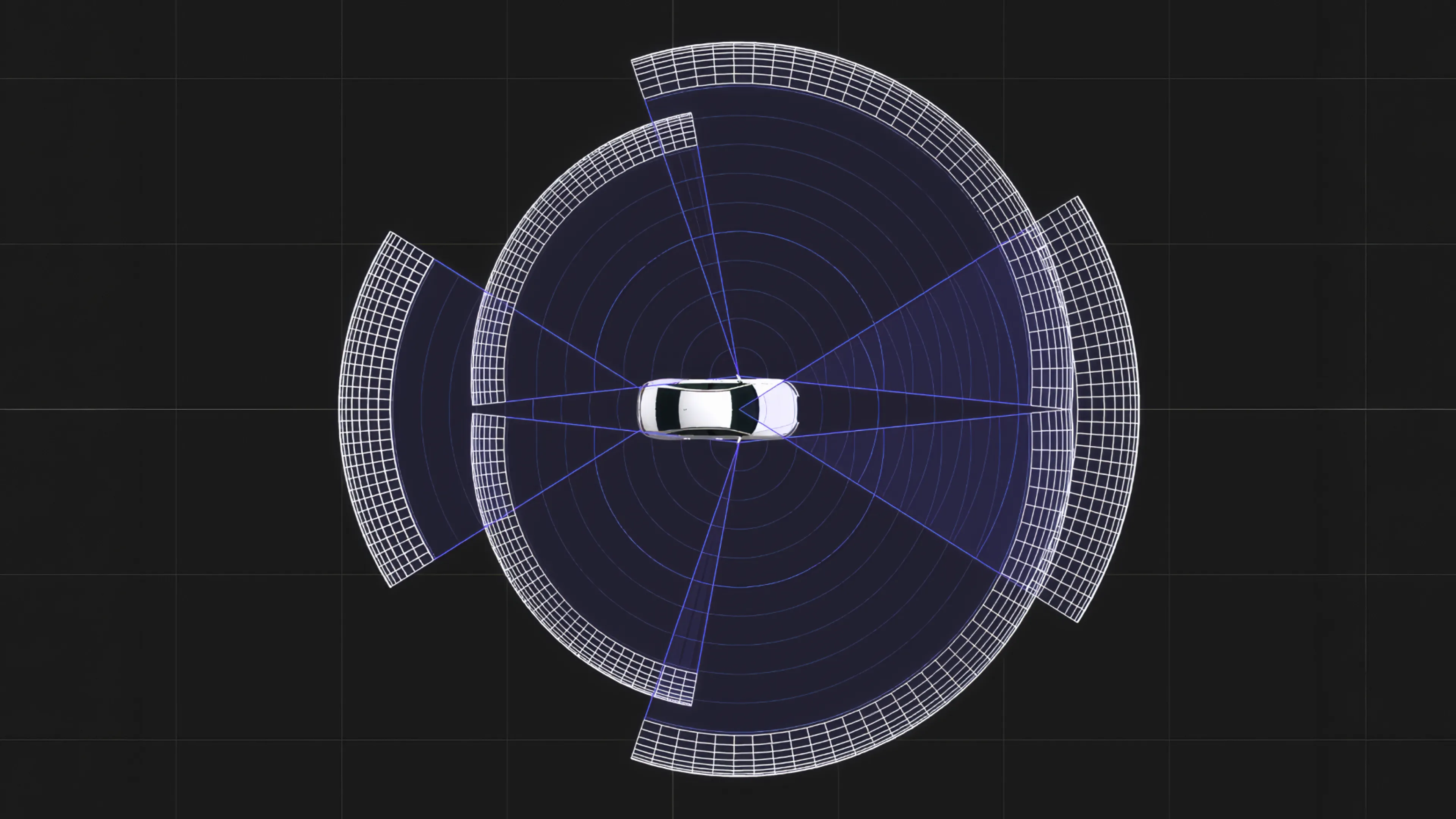
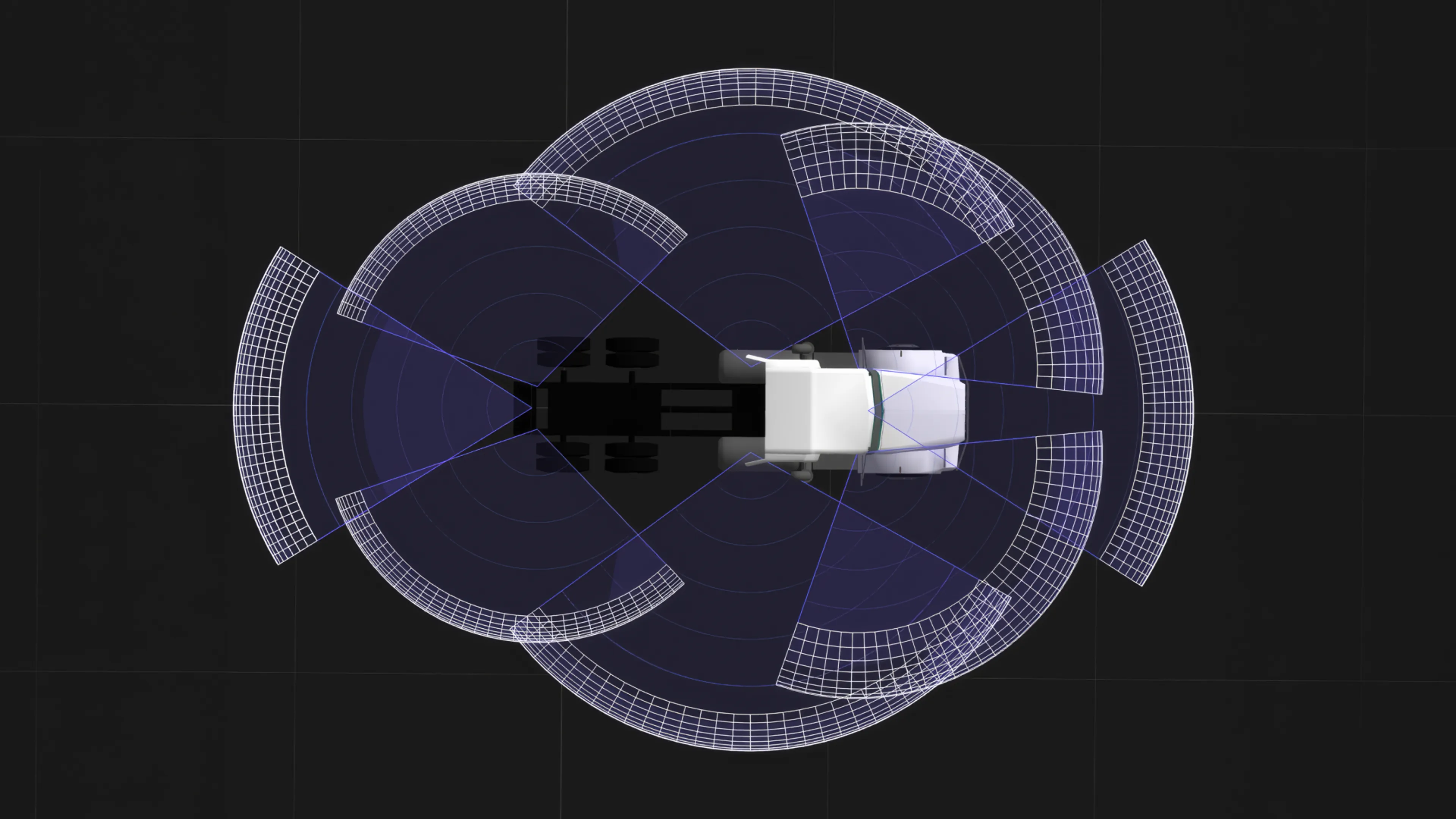
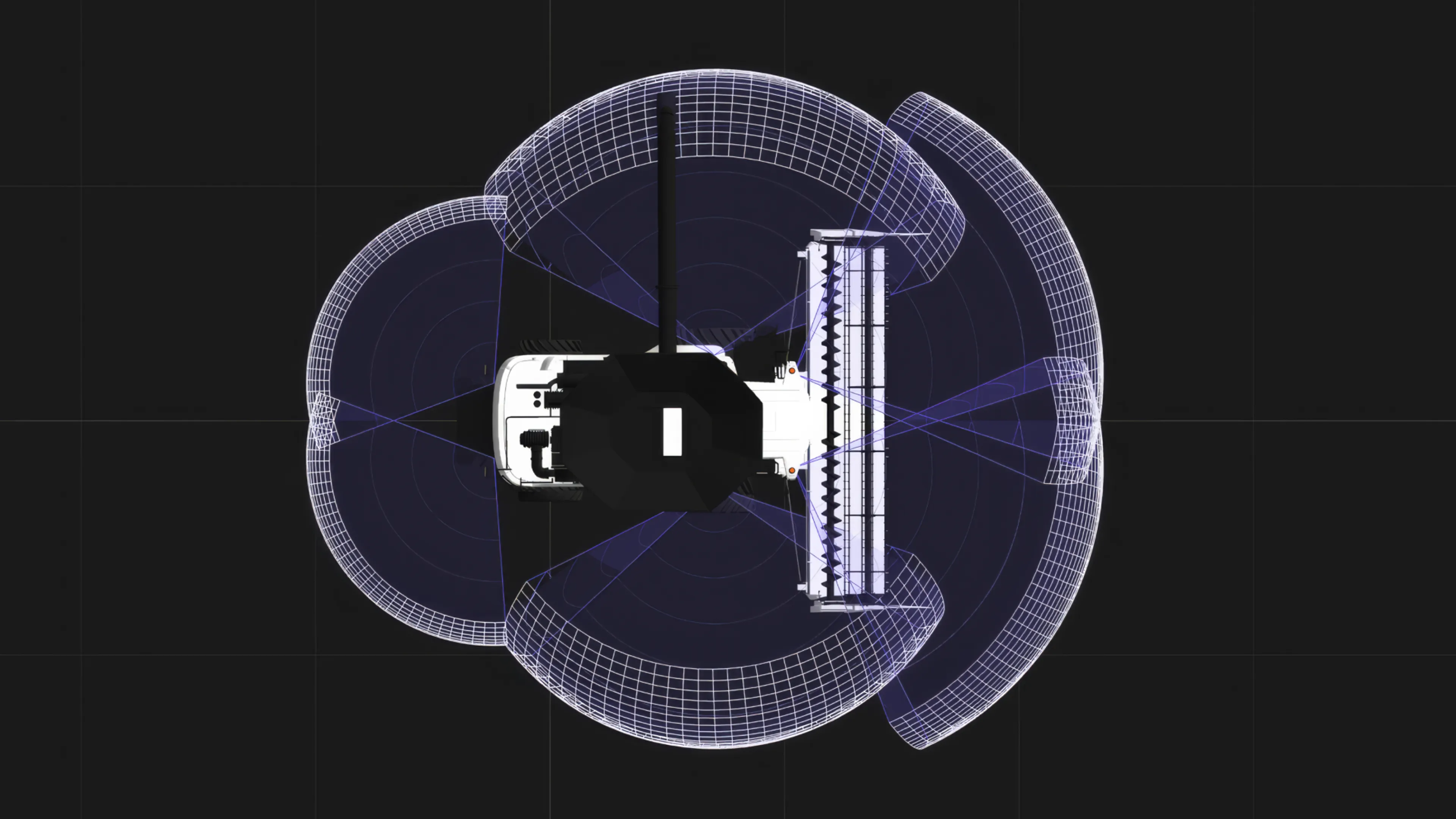
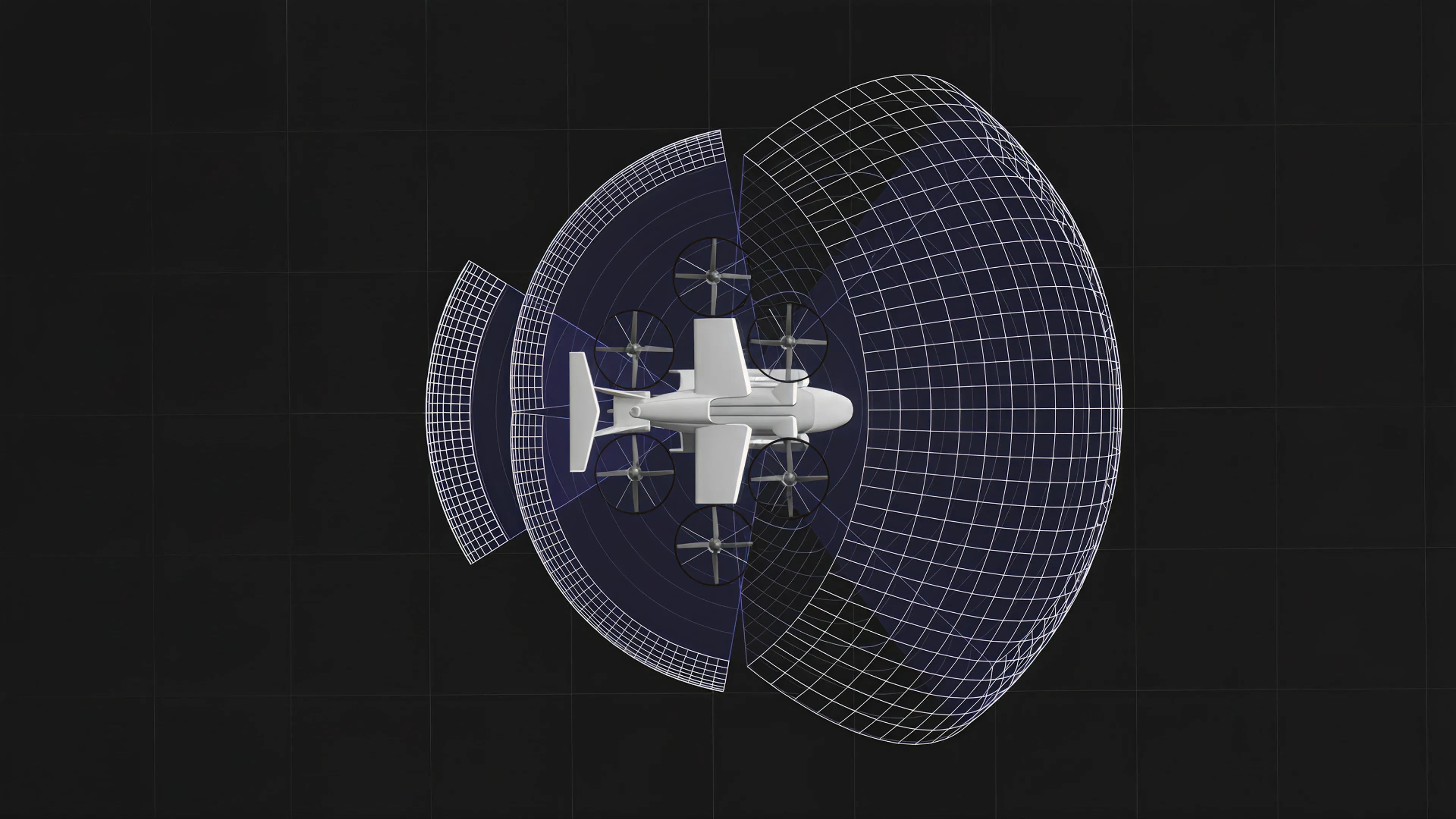
This reality spans more than just the auto industry. It’s the same for OEMs producing trucks, mining rigs, or agricultural equipment. It’s also one of the reasons Applied Intuition built its Self-Driving System (SDS) the way it did—from the beginning—as a hardware-agnostic platform designed to integrate across a wide range of sensors, compute platforms, vehicle architectures, and industries.
Software that Adapts to Hardware, Not the Other Way Around
At the platform level, this means maintaining flexibility across hardware environments while still working closely with partners to co-optimize software and hardware systems for production performance.
Historically, many autonomy and advanced driver-assistance system (ADAS) solutions have been tightly coupled to specific hardware platforms. In some cases, software stacks are hyper-optimized for a specific chip or reference architecture, and while that approach may work for a single vehicle program or a vertically integrated company, it becomes extremely limiting for global OEMs managing multiple platforms, suppliers, and regional requirements.
Applied Intuition’s SDS was designed differently. It was built as a flexible autonomy platform to deliver consistent performance and safety. With SDS, OEMs can utilize new hardware enablers as they come out, as new generations of sensors or silicon are released, or as new platforms emerge. Combined with Applied Intuition’s deep expertise and close partnerships across the hardware ecosystem, this approach enables targeted co-optimization with specific configurations—without sacrificing platform flexibility.
This hardware-agnostic architecture also allows OEMs to:
- Accelerate time to market
- Choose the compute platform that fits the OEM’s cost, thermal, and powertrain constraints
- Select sensor configurations appropriate for different vehicle segments
- Extend the same autonomy stack when shifting from L2 to L4
- Adapt to new chips and sensors over the lifecycle of a vehicle platform
As OEMs rush to meet deadlines and move toward the most effective, minimal sensor configuration, this flexibility is critical. Hardware availability, cost targets, and supplier strategies can change dramatically over the time it takes to reach production. An autonomy stack that works on only one hardware configuration creates risk. A stack that can adapt across platforms reduces that risk significantly. It also speeds up the time to market by being able to handle any last-minute shifts in hardware.
Hardware and Software Must Evolve Together
As autonomy systems mature, hardware and software is becoming more tightly integrated. Sensors, compute platforms, and autonomy software can no longer be developed in isolation. They must be designed and validated together. This combination—platform-level flexibility with system-level co-optimization—is what allows autonomy to scale without locking OEMs into a single hardware partner.
This is reflected in Applied Intuition’s work with hardware companies. For example, SDS is optimized to run on modern automotive compute platforms such as NVIDIA DRIVE, enabling automakers to deploy advanced driver-assistance features across a wide range of vehicle architectures. At the same time, Applied Intuition has worked closely with sensor manufacturers such as LG Innotek to integrate camera sensors directly into development and simulation workflows, allowing automakers to evaluate sensor performance in both simulation and real-world testing environments.
These collaborations hint at a broader industry trend in the SDV era: Autonomy will scale only when hardware and software ecosystems evolve together. Automakers need integrated solutions that reduce engineering complexity, shorten development timelines, and allow autonomy systems to move from development to the road more quickly.
Built for Production from the Beginning
Hardware flexibility alone is not enough, though. Autonomy systems must also be designed for production reality, not just demonstration vehicles or robotaxi programs.
SDS was built to run on low-cost, mass-market sensors and embedded compute, not exotic hardware. The system supports primary camera configurations with optional radar, and lidar can be added for higher levels of autonomy where required. The goal is to enable autonomy that can scale across millions of vehicles, not just small fleets.
This philosophy also extends to safety, validation, and regulatory compliance. Autonomy software must meet global safety standards and integrate into complex vehicle architectures, infotainment systems, and electronic control units. SDS integrates with Applied Intuition’s Vehicle OS and Tools for Vehicle Intelligence, allowing automakers to continuously develop, validate, and improve features even after vehicles are on the road.
The result is not just an autonomy demo—it is a production-ready self-driving system designed to scale globally.
A Platform for the Software-Defined Vehicle Era
As vehicles become software defined, autonomy systems will need to evolve continuously over the lifetime of the vehicle. That requires software platforms that can adapt—to new hardware, new sensors, new regulations, and new AI capabilities.
SDS was designed with this future in mind. Its architecture allows automakers to deploy advanced driver-assistance systems today while maintaining a pathway to higher levels of autonomy over time. Because the system is hardware agnostic and integrated with Applied Intuition’s development and validation tooling, OEMs can continue improving performance, adding features, and updating models without redesigning the entire system around new hardware.
In the coming decade, the automotive industry will shift from building vehicles defined by mechanical performance to vehicles defined by intelligence. In that world, the most important platforms will not be engines or transmissions—they will be software systems that can adapt, scale, and improve over time.
Hardware will continue to change. Sensors will improve. Compute platforms will evolve.
The autonomy systems that succeed will be the ones built to evolve with them.