미래는 만들어가는 사람들의 것
위험과 기회, 그리고 엔지니어링의 새로운 시대에 대한 Qasar Younis의 메시지
“지각판이 움직이는 곳을 찾아 그 단층선 위에 서십시오. 가장 큰 기회는 바로 그곳에 있습니다.”
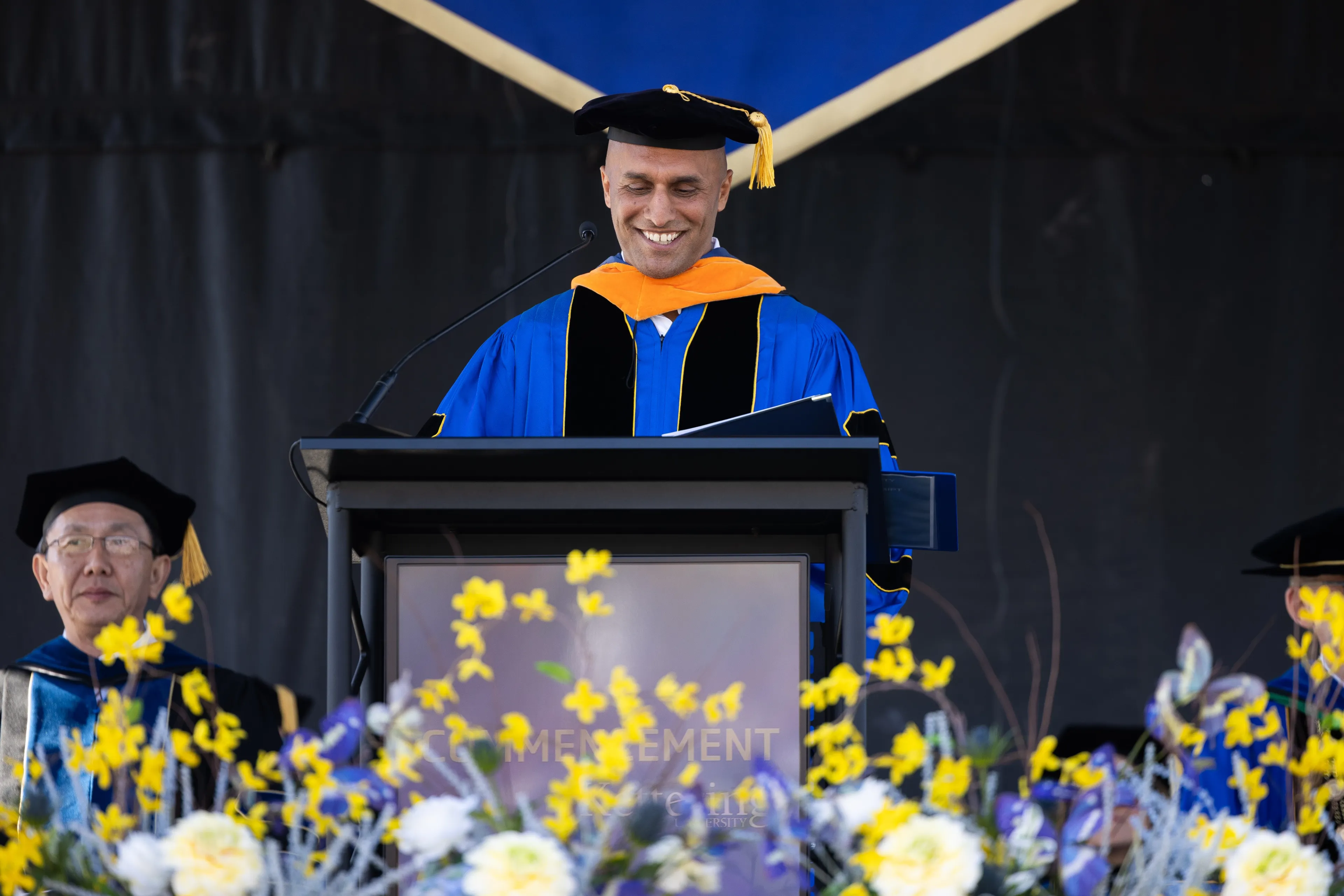
지난 주말 Kettering University 2026학년도 졸업식에서 Applied Intuition의 CEO Qasar Younis는 졸업생들에게 이와 같은 메시지를 전했습니다. 이는 이날 축사의 핵심을 이루는 내용이었습니다.
20여 년 전 공학 학위를 취득했던 모교를 다시 찾은 Younis는, 이번 졸업식에서 명예 공학 박사 학위도 함께 수여받았습니다. 그는 자신의 인생의 방향을 근본적으로 바꿔 놓았던 여러 선택을 되돌아보며 이야기를 이어갔습니다.미시간을 떠나 실리콘밸리로 향했던 결정부터, 인터넷의 부상과 함께 찾아온 기술 변화를 받아들이고, 세계적인 피지컬 AI 기업 가운데 하나인 Applied Intuition을 함께 일구기까지. 그의 커리어는 불확실성을 피하기보다 기꺼이 그 속으로 뛰어든 선택들로 이루어져 왔습니다.
이 조언은 인공지능의 부상 속에서 사회에 첫발을 내딛는 졸업생들에게 특별히 의미 있는 메시지였습니다. Younis는 기술은 달라졌지만, 그들이 마주한 감정은 크게 다르지 않다고 말했습니다. 그가 2004년 Kettering University를 졸업했을 당시에도 인터넷의 부상은 미래를 둘러싼 비슷한 기대와 불안, 그리고 수많은 질문을 불러일으켰습니다.
Younis는 졸업생들에게 이렇게 말했습니다.“그래서 제가 여러분과 닮아 있는 것입니다. 그리고 지금은 미처 실감하지 못하더라도, 여러분 역시 저와 닮아 있습니다.”
다음은 Younis가 졸업 축사에서 전한 다섯 가지 메시지입니다.
Younis는 자신의 인생에서 가장 중요한 결정의 대부분이 졸업 직후에 이루어졌다고 회고했습니다. 당시에는 9·11 테러 이후의 불확실성과 인터넷 초창기의 기술 혁신이 겹치며 사회 전반이 큰 변화를 겪고 있었습니다. 그는 바로 이러한 불확실성 때문에, 급격한 변화의 시기가 졸업생들에게 새로운 기회를 찾아 나서기에 가장 좋은 때라고 강조했습니다.
“지금 이 순간은 앞으로 여러분이 살아가면서 가장 잃을 것이 적은 시기이며 가장 많은 것을 얻을 수 있는 시기이기도 합니다.”
Younis가 Ketterin University를 졸업했을 당시에도 인터넷은 그가 성장했던 디트로이트의 자동차 산업을 비롯해 경제 전반을 빠르게 뒤흔들고 있었습니다.
그는 “하지만 저는 변화를 마주했을 때 도망치는 대신, 오히려 그 속으로 뛰어들었습니다. 안전한 진로만 선택하려 하지 마세요.” 라고 전했습니다.
Younis가 자신이 성장한 미국 중서부를 떠나 캘리포나이로 향한 이유는 앞으로 성장할 사람들과 기업들 곁에 있어야 한다고 믿었기 때문이라고 이야기했습니다.그는 “평생 몸담고 싶은 산업이 있다면, 삶의 터전을 옮겨야 하더라도 그 산업의 중심으로 가십시오.” 라며 “어떤 산업에서 성공하고 싶다면 주변에 머물러서는 안 됩니다. 그 분야 최고의 사람들과 함께 일하고, 그들로부터 배워야합니다.” 라고 말했습니다.
Younis는 남들이 걸어간 길이 더 쉬워 보인다는 이유만으로 그 길을 따라가는 것은 가장 피해야 할 선택이라고 강조했습니다.
Younis는 젊은 시절 성공의 비결을 찾기 위해 수많은 자서전을 탐독했다고 말했습니다. 하지만 결국 그가 깨달은 것은 성공의 모습이 사람마다 모두 다르다는 사실이었습니다.
그는 “지금까지 여러분의 삶은 명확하게 정해진 레일 위를 달려왔습니다. 하지만 오늘부터 여러분은 성인이 되어 끝없이 넓은 바다로 나아가게 됩니다.” 라고 전하며 “성인의 삶에는 정해진 답이 없습니다.” 라고 말했습니다.
이민자의 자녀로 자란 Younis는 다른 사람에게 의존하는 것을 경계하며 자랐습니다. 그는 이러한 성향이 오히려 자신을 기업가의 길에 잘 맞는 사람으로 만들었다고 설명했습니다.
“제 친구들은 창업에서 위험을 보았지만, 저는 회사에 계속 남아 있는 것에서 위험을 보았습니다. 또 제 친구들은 낯선 곳에서 위험을 보았지만, 저는 고향에 머무르는 것에서 위험을 보았습니다.”
하지만 성인이 된다는 것은 끝없이 넓은 바다에서 자신이 나아갈 방향과 스스로를 발견해 가는 과정이기도 합니다. Younis는 “다른 사람들이 여러분에게 기대하는 삶을 따라가서는 자신의 길을 찾을 수 없습니다. 다른 사람이 걸어간 발자취를 따라 살아서도 안 됩니다.” 라고 강조했습니다.
축사에서 가장 개인적인 이야기가 나온 순간은 Younis가 오래전부터 기존 제도와 권력이 집중된 구조를 비판적으로 바라보게 된 배경을 이야기했을 때였습니다.
Kettering University 재학 시절, 그는 경제적 격변이 자신이 살던 주변 지역 사회를 변화시키는 모습을 직접 지켜봤습니다. 이러한 경험은 기존 제도와 권력을 가진 사람들이 언제나 정답을 알고 있는 것은 아니라는 건강한 의구심을 갖게 했습니다.
Younis는 졸업생들에게 이러한 비판적 시각을 잃지 말라고 당부했습니다.
그는 “AI가 개발되고 활용되는 방식이 마음에 들지 않는다면, 그것을 바로잡는 것은 여러분의 몫입니다.” 라고 전하며 “사회가 이 기술에 어떻게 적응하고 변화해 나갈지는 여러분에게도 달려있습니다. 기업이 우리를 악용하고, 우리의 데이터를 빼앗고, 우리의 관심을 착취하며 스스로 선택할 권리까지 빼앗는다면 그런 기업을 위해 일하지 마세요. 대신 새로운 대안을 만들어 나가세요.” 라고 전했습니다.
단상을 떠나기 전, Younis는 졸업생들에게 이제 자신의 횃불을 그들에게 넘긴다고 말했습니다. 그 횃불을 어떻게 이어갈지는 이제 졸업생들의 몫이라고 전했습니다.
Younis는 “지금 이 순간이야말로 여러분이 무엇을 하고, 어디에서 그 일을 할지 가장 자유롭게 선택할 수 있는 때입니다.” 라며 “여러분은 지금까지 받은 교육을 바탕으로 자신의 운명은 물론, 기술 혁신 속에서 자신이 어떤 역할을 할 것인지 스스로 결정할 수 있는 충분한 준비를 갖추고 있습니다.” 라고 말했습니다.
이어서 “역사를 돌아보면 문명의 방향을 결정해 온 사람들은 언제나 무언가를 만들어 온 사람들이었습니다. 그리고 오늘날 우리 문명을 만들어 가는 사람들은 바로 엔지니어입니다. 여러분은 기계를 만드는 사람들입니다. 그리고 여러분이 만드는 기계는 앞으로 우리의 문명을 정의하게 될 것입니다.” 라고 강조했습니다.