Isuzu and Applied Intuition Deploy Second-Generation Autonomous Trucks on a Commercial Logistics Route in Japan
Applied Intuition and Isuzu Motors are deploying second-generation autonomous trucks on a 450-kilometer commercial logistics route in Japan. Powered by Applied's end-to-end autonomy model and a continuous data engine, the trucks mark a major step toward Level 4 driverless operations—and a solution to Japan's looming driver shortage.
March 31, 2026 • 4 min read
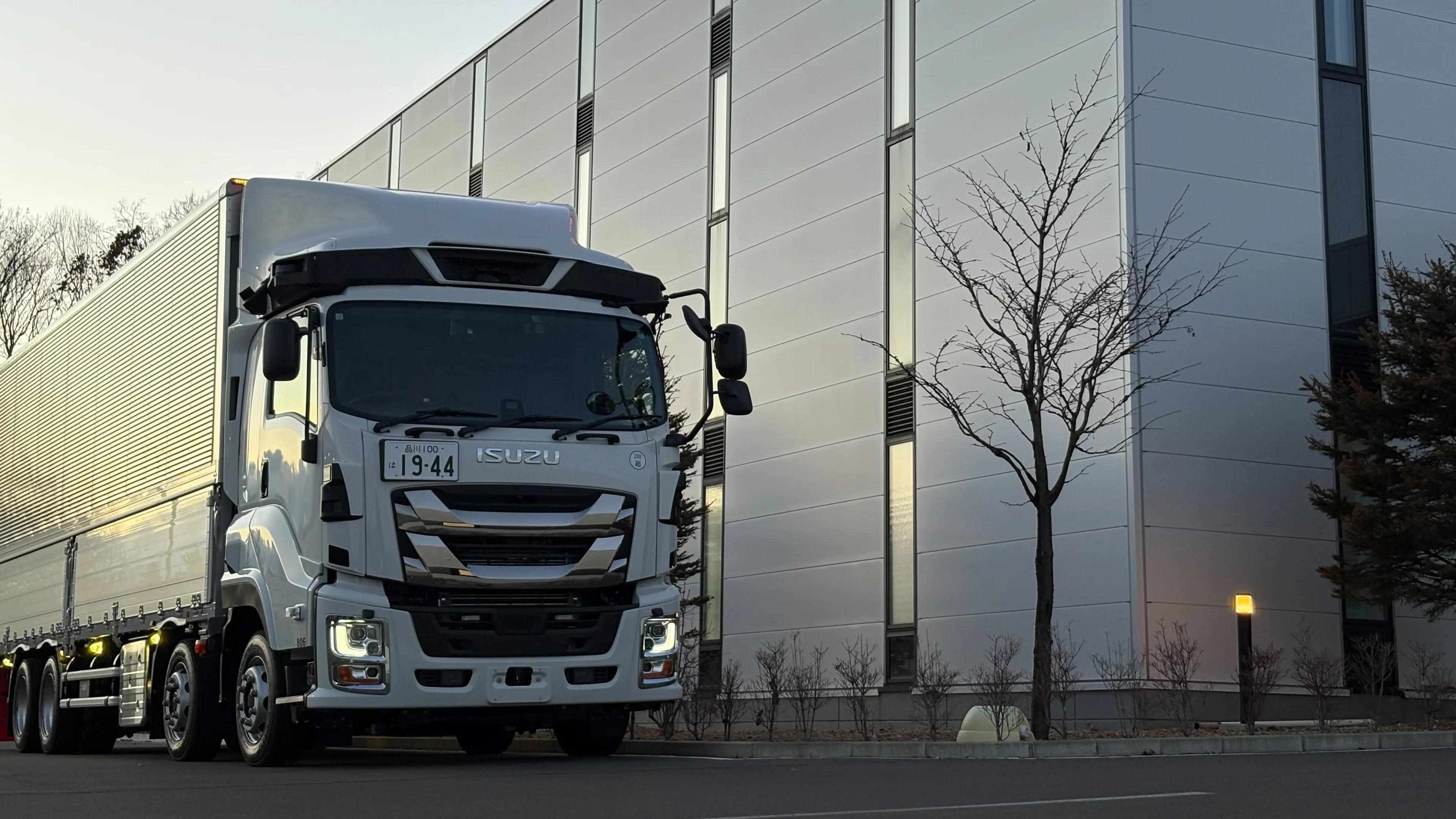
This spring, Isuzu Motors Limited and Applied Intuition are introducing and deploying our second-generation autonomous trucks in real-world freight operations on a commercial route in Japan.
Isuzu and Applied Intuition have had autonomous trucks running on public roads in Japan since 2025 (with a safety driver). In this next phase, we will deploy trucks with the next generation of our hardware and software, as well as expand our operations to a new hub-to-hub logistics route. This marks an important milestone in our partnership to achieve safe driverless operations in Japan.
Together, our goal is to address a growing need driven by Japan's "2024 Problem" — a projected 36% decline in truck drivers by 2030 that threatens to disrupt supply chains.
“Autonomous trucking will play a critical role in the future of logistics in Japan,” says Masanori Katayama, CEO of Isuzu Motors Limited. “Through our partnership with Applied Intuition, I feel confident Isuzu can pioneer autonomous driving for commercial vehicles in Japan, as the collaboration combines our deep expertise in commercial vehicles with Applied Intuition's advanced autonomy software and data capabilities. Time and again, I'm amazed at the depth and breadth of Applied's technical capabilities. Together, we are building a scalable foundation for the next generation of logistics operations.”
Second-Generation Trucks, Built for Scale
Developed in close partnership between the companies, the second-generation trucks represent an industry-defining step forward in autonomy.
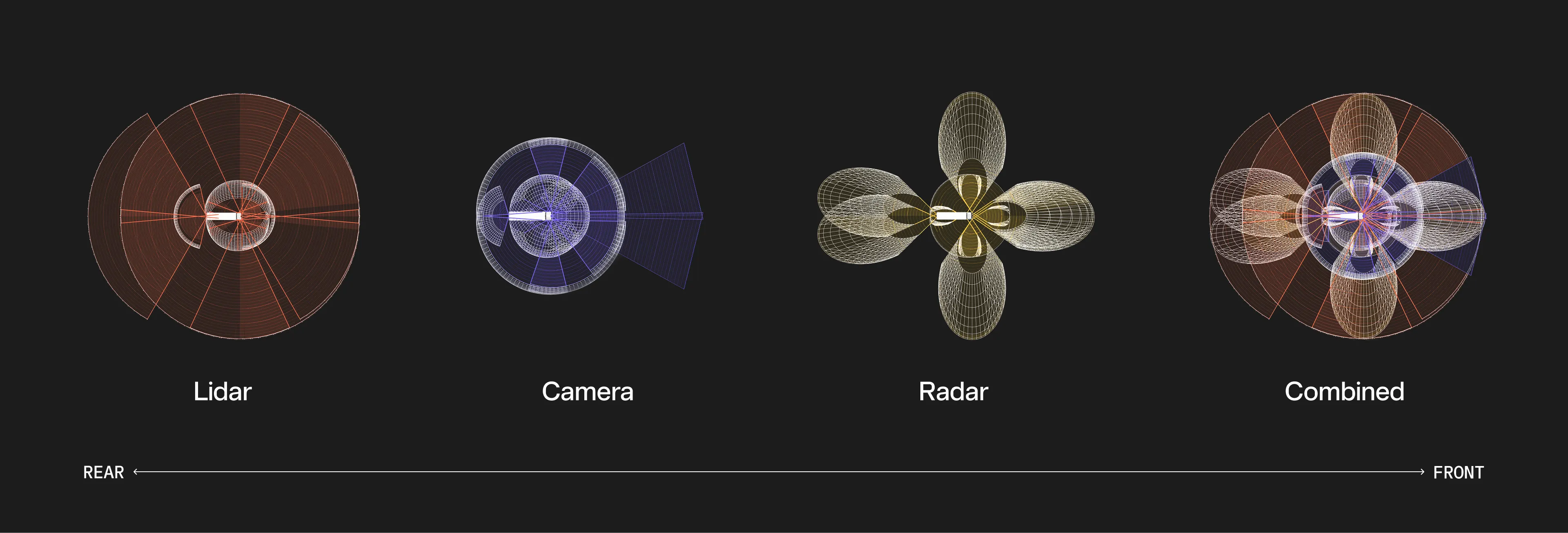
The hub-to-hub operations introduce more complex driving scenarios than highway driving. The new trucks are equipped with an upgraded suite of sensors and compute that improves coverage, provides redundancy, and enables the trucks to safely navigate complex urban environments. These urban environments include ETC gates, intersections, traffic lights, pedestrians, mixed traffic patterns, and low-speed hub operations in addition to higher speeds and long sensing requirements for highway driving.
Second-generation truck perception coverage
At their core is Applied Intuition’s new end-to-end model for autonomous driving. The software was developed and validated at scale using a data engine that provides continuous insights from real-world and simulation data. Data from trucks on the road feeds into our large-scale development infrastructure, where scenarios encountered on real routes can be recreated and tested at scale in simulation. Engineers can then evaluate system behavior, make improvements, validate those improvements in simulation, and deploy validated models back to the fleet.
“Autonomy is ultimately about creating systems that learn from the physical world,” says Qasar Younis, CEO of Applied Intuition. “What we’re building with Isuzu is a system that improves every time it operates. Every route, every edge case, every mile feeds back into the model. That’s how you turn autonomy from a technical milestone into something the logistics industry can depend on.”
Expanded Operations
Since 2025, we have had autonomous trucks driving along the Shin-Tomei Expressway and through logistics terminals in Japan.
The trucks will now operate every day on an expanded 450-kilometer route between Tochigi and Aichi prefectures. The trucks will haul commercial cargo along this route as well, building experience in deploying autonomous trucks in real-world logistics operations.
Operating daily in these varied environments, we are continuously improving the safety and reliability of both the technology and operations, with the system getting better with each mile on the road and each simulation.
Major Step Forward
Beyond the technical milestone, the deployment helps address Japan's projected decline in truck drivers by 2030 as well as a major public health crisis: nearly 84% of drivers face overwork-related health problems. Left unaddressed, this decline presents a deep structural challenge for Japan’s logistics sector, threatening freight capacity and supply chain stability. Autonomous trucking offers a path to maintain freight movement while improving efficiency and safety, ensuring goods continue to move reliably across the country.
This deployment of second-generation trucks on a commercial route supports Isuzu’s broader roadmap to launch a Level 4 autonomous truck by fiscal year 2028 (ending March 31, 2028).
With each deployment, Isuzu and Applied Intuition bring autonomous trucking closer to safe, reliable, real-world operation.